AWB, tracking, and delivery confirmation: how to control POSM distribution
Producing advertising materials is only half the battle. Discover how to control national POSM distribution through rigorous tracking systems, photo confirmations, and logistics optimizations.
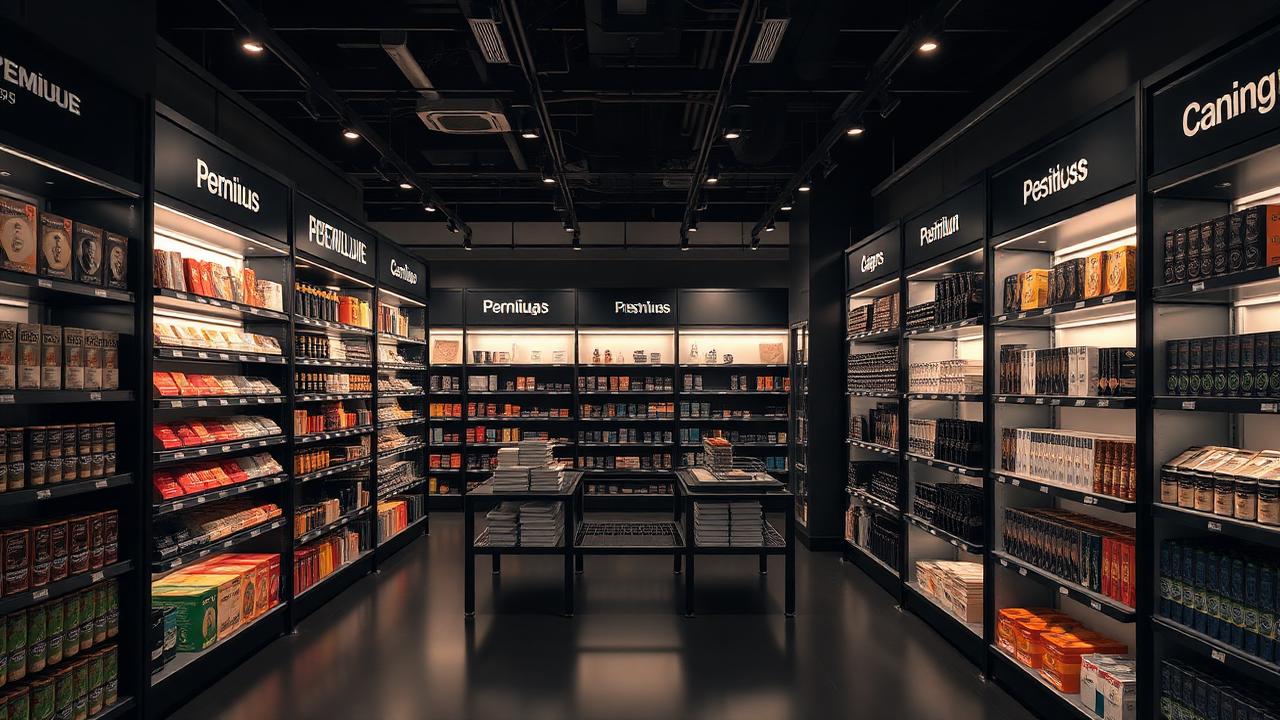
Many brands invest considerable budgets in the design and production of POSM (Point of Sale Materials). The design is flawless, the print quality is exceptional, and the colors strictly follow the brand identity manual. However, the moment the materials leave the production floor, the critical phase begins where the success of the entire campaign is decided: distribution and in-store implementation. Without rigorous control based on well-managed transport documents, active monitoring, and delivery confirmations at the store level, a significant percentage of displays, cardboard stands, or premium items risk being stuck in warehouses, damaged, or incorrectly assembled.
Why POSM campaigns fail during the logistics phase
From our experience as an advertising production studio with nationwide coverage and installation services, the greatest efficiency losses do not occur during the manufacturing stage, but during transit and local implementation. A national retail campaign typically involves simultaneous deliveries to tens or hundreds of points of sale across different retail chains. Each hypermarket or convenience store network has its own reception rules, strict delivery windows, and staff who often do not prioritize promotional displays over fast-moving consumer goods.
Major weak links in the distribution chain
- Shipments blocked in intermediate courier hubs due to a lack of correlation between the physical address and the internal store ID.
- Damage to bulky displays during repeated handling, particularly for corrugated cardboard stands or fragile acrylic components.
- Rejection of deliveries by store staff due to missing transport documents or missing the pre-approved delivery windows.
- Prolonged storage in backrooms, where promotional materials remain unassembled and forgotten due to a lack of trained staff.
The step-by-step tracking system: from production directly to the shelf
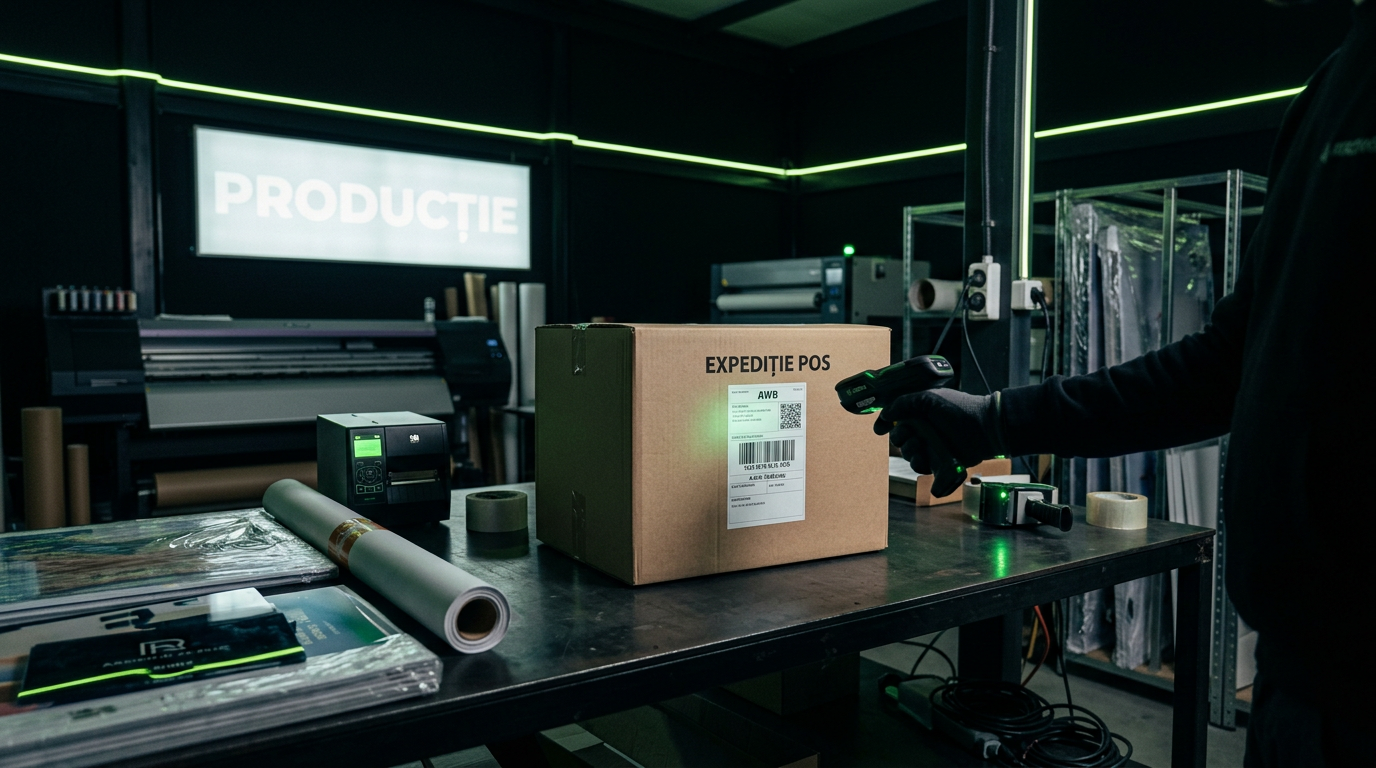
To eliminate these risks, distribution control must be integrated directly into the advertising production workflow. It is not enough to hand over packages to a courier and hope for the best. At Loop Design ADV, we have developed clear protocols that start from the packaging stage. Every POSM item is labeled with a unique identification code linked directly to the destination store. This code allows us to instantly match the AWB number with the final retail location, giving our clients full visibility over every unit sent into the field.
The role of photo proof during reception and installation
A complete confirmation process includes three essential stages that ensure your investment in advertising production achieves its commercial goal:
- Physical proof of delivery signed by the store manager or department supervisor, verifying quantitative receipt.
- Verification of packaging and content integrity immediately after unpacking to quickly document any transport damage.
- A final photograph showing the fully assembled POSM stand positioned exactly in the area negotiated with the retailer (endcap, cash register zone, or promotional island).
Optimizing shipping costs: flat-pack or pre-assembled in the factory?
A major decision that directly impacts logistics and transit risks is the structural design of the materials. There are two primary approaches, each with specific advantages and disadvantages depending on the campaign's complexity. The first option is fully pre-assembled displays. They guarantee correct installation but take up significant volume in cargo trucks, which increases shipping costs. The second option is flat-pack (unassembled) systems. They reduce transport volume to a minimum, but require extremely simple, intuitive assembly instructions and often a dedicated installation team to avoid errors at the store level.
If the packaging shows clear signs of damage, the receiving staff must note this on the transport document (a damage report signed alongside the courier representative) before accepting the delivery. Taking immediate, detailed photos of the packaging and the damaged parts is also essential for insurance claims and triggering a rapid replacement production run.
Need a custom solution?
Talk to the LOOP DESIGN ADV specialists and get an offer tailored to your project.
Request a quote